
greneraseo
-

The Heirloom Effect: Creating Furniture Stories That Last Generations
There’s something magical about sitting in a chair that held your grandmother, or eating dinner at a table where your parents shared their first meal as newlyweds. Heirloom furniture carries more than functional value – it holds memories, stories, and connections that span generations. In our disposable culture, creating these lasting pieces has become both
-
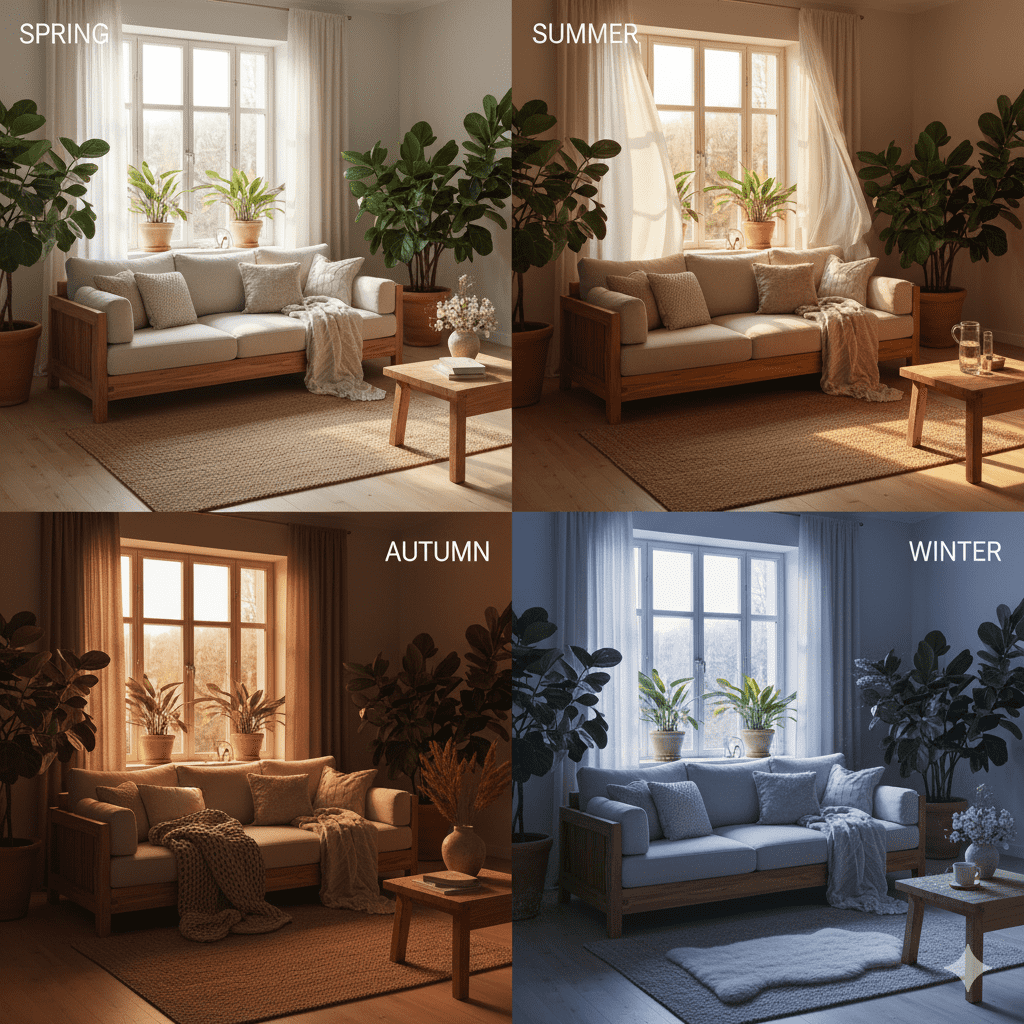
Seasonal Living: How Natural Materials Connect Us to Nature’s Rhythms
Our ancestors lived in profound connection with seasonal rhythms, their daily lives naturally aligned with nature’s cycles. Modern life, with its climate-controlled environments and artificial lighting, can disconnect us from these ancient patterns. Natural materials in our homes offer a bridge back to seasonal awareness and its accompanying benefits for our mental and physical health.
-
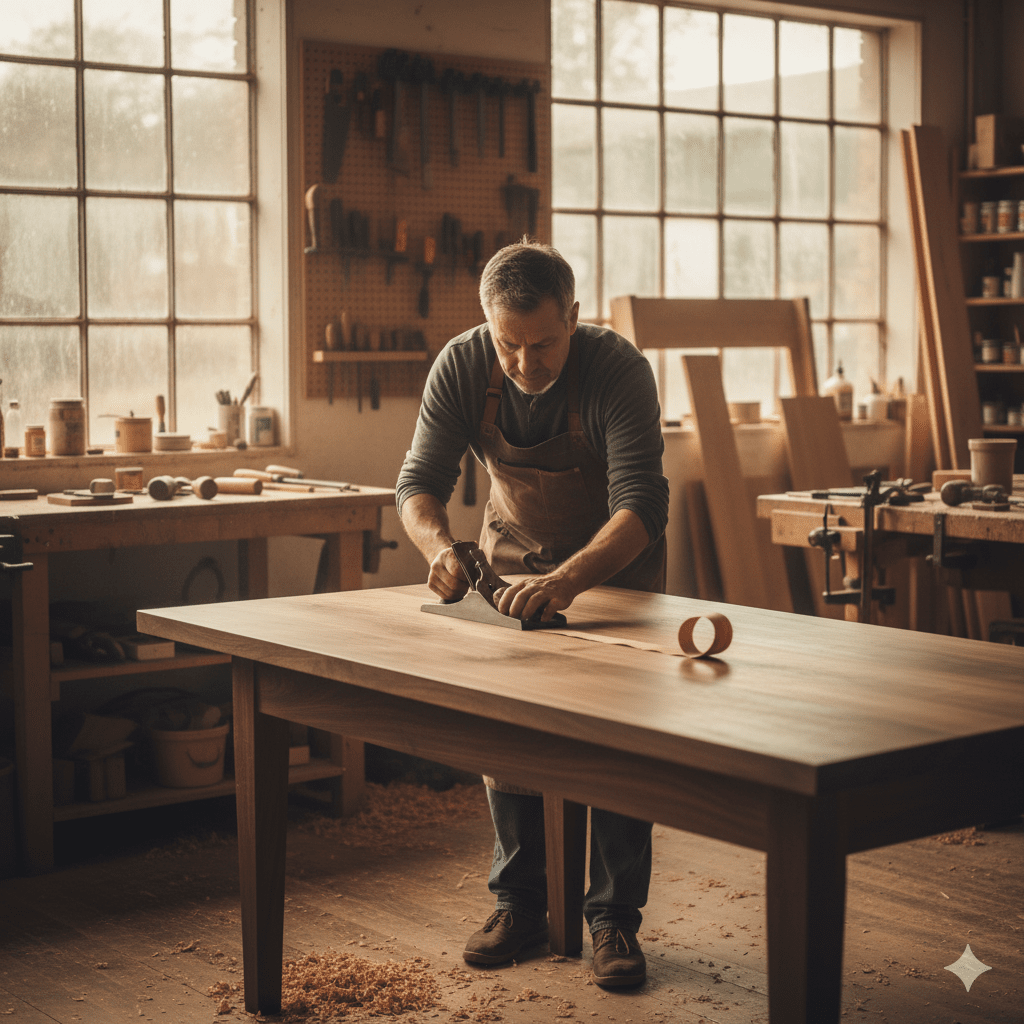
The Slow Furniture Movement: Quality Over Quantity in Modern Homes
In a culture obsessed with fast fashion and instant gratification, the concept of slow furniture feels almost radical. Yet this approach to furnishing our homes – prioritizing quality, craftsmanship, and longevity over quick trends and cheap prices – offers profound benefits for both our wallets and our wellbeing. Slow furniture begins with a fundamental shift
-
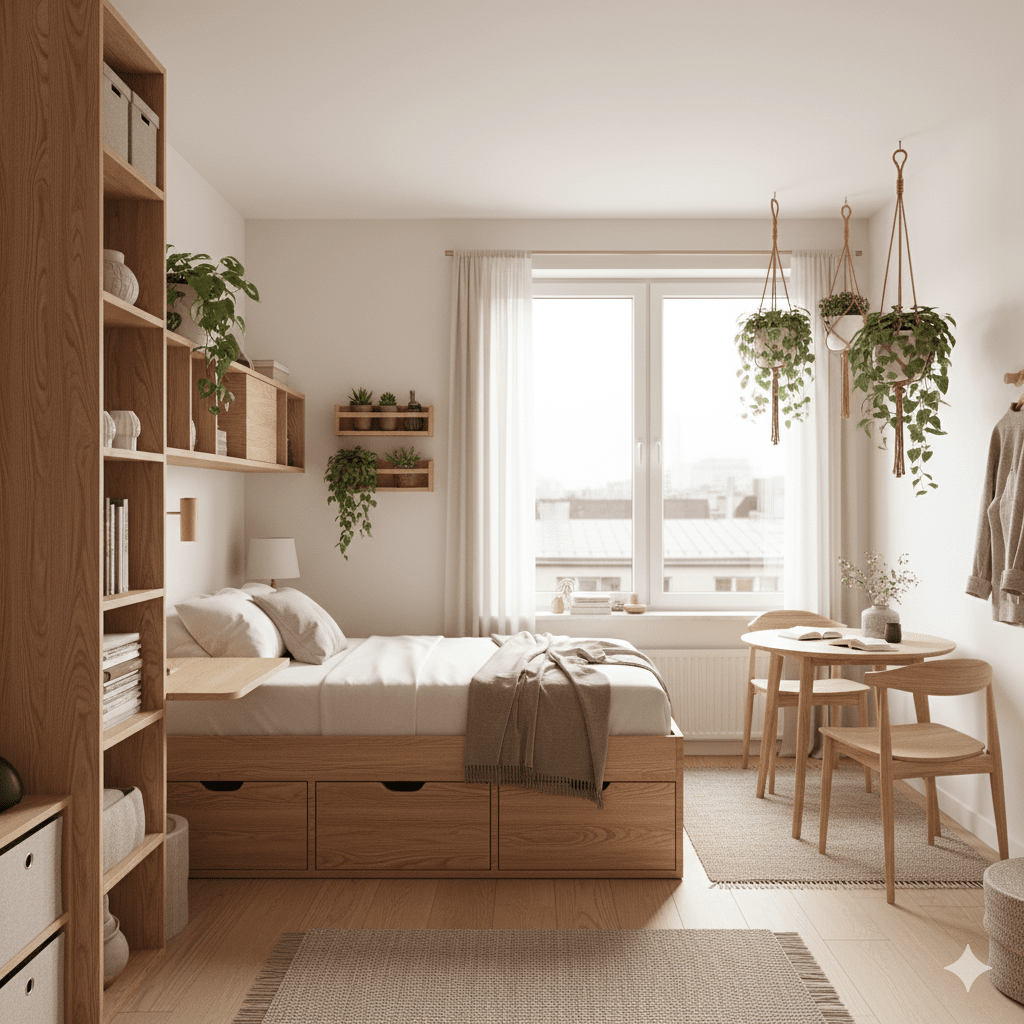
Small Spaces, Big Impact: Sustainable Design for Urban Living
Urban living demands creativity, especially when you’re committed to sustainable choices in a compact space. The challenge isn’t just fitting everything in – it’s ensuring that every piece you choose serves multiple purposes while honoring your environmental values. Small spaces can actually amplify the impact of sustainable design decisions. The key lies in understanding that
-
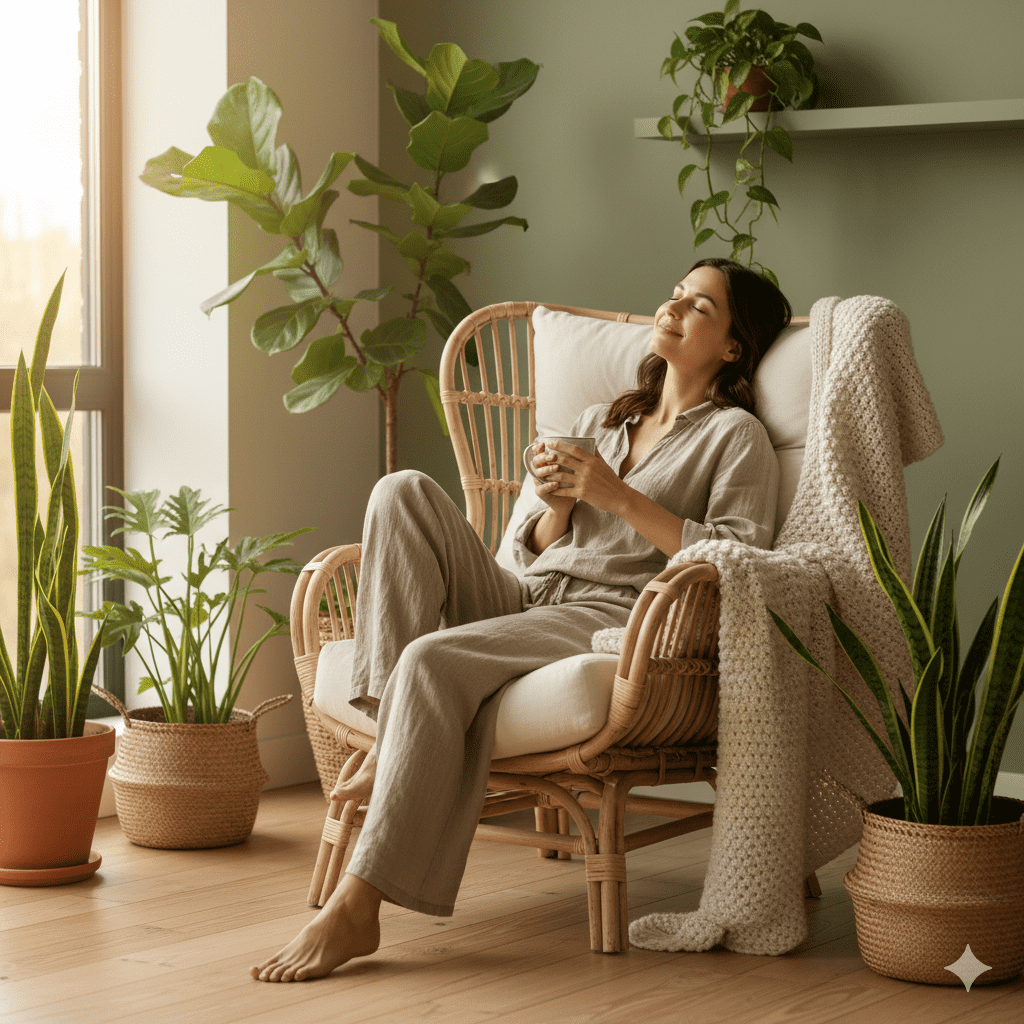
The Neuroscience of Natural: Why Your Brain Craves Wood and Stone
Our brains are ancient instruments navigating a modern world, and the disconnection shows up in subtle but profound ways throughout our daily lives. The synthetic environments we’ve created trigger stress responses that our ancestors never experienced, while natural materials activate neural pathways evolved over millions of years of forest dwelling. Recent neuroscience research reveals fascinating
-
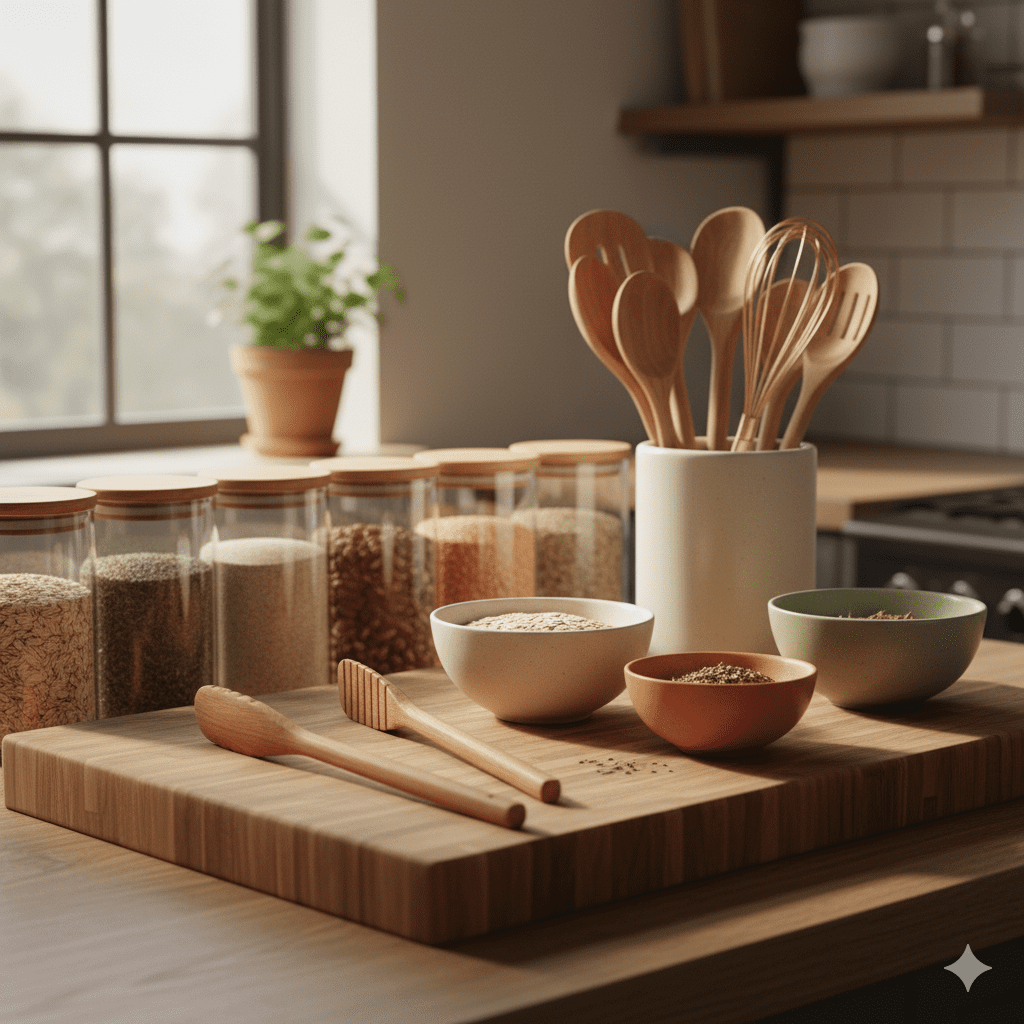
Beyond Plastic: Creating Sanctuaries in Every Room
The journey to a plastic-free home begins with a simple recognition: every synthetic surface in your house represents a missed opportunity for beauty, health, and connection to the natural world. This isn’t about perfection or extremism – it’s about making thoughtful choices that honor both your wellbeing and the planet’s. Your living room sets the
-
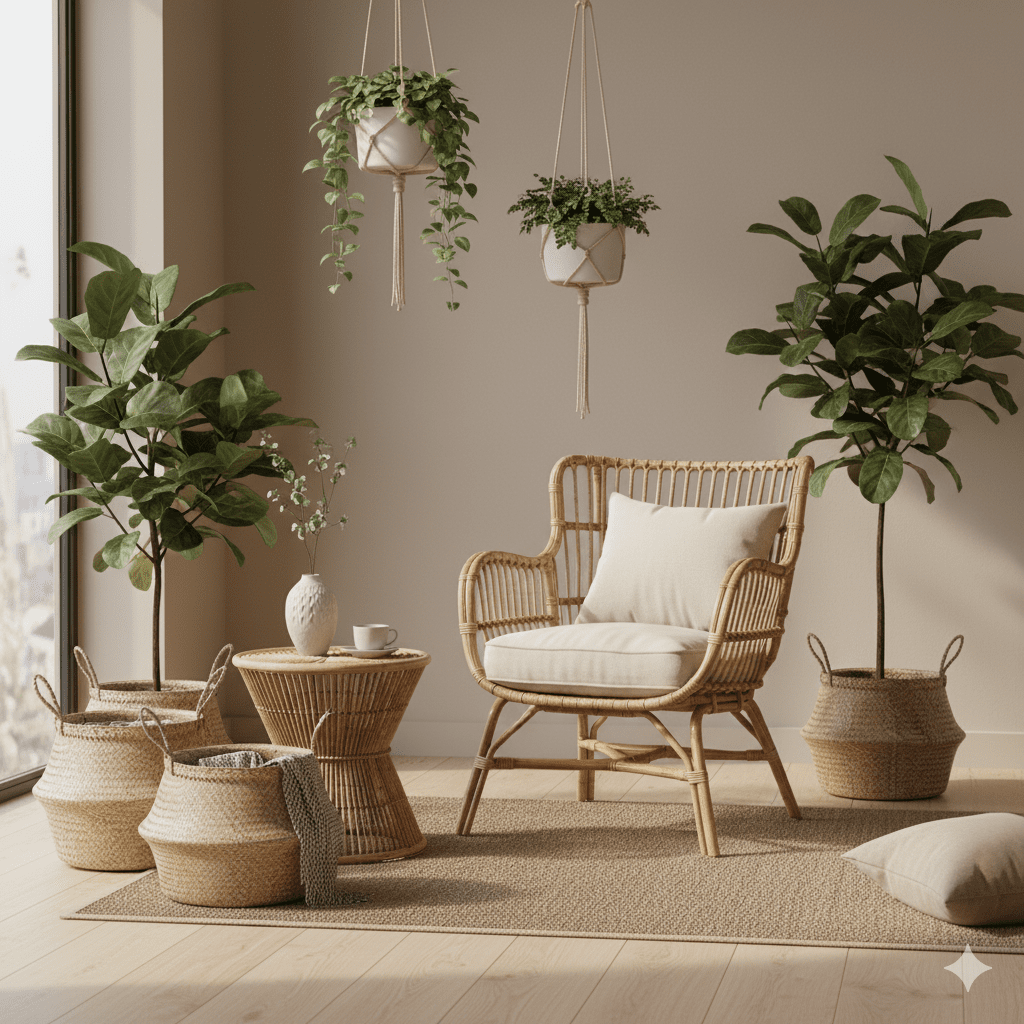
The Rattan Renaissance: Why Ancient Materials Are Modern Solutions
In our rush toward technological solutions, we sometimes overlook the sophisticated wisdom embedded in traditional materials. Rattan, woven by skilled hands for centuries, offers a masterclass in sustainable design that modern manufacturing is only beginning to understand. The rattan vine grows with remarkable intelligence, strengthening forest ecosystems while providing renewable harvest opportunities. Unlike trees that
-
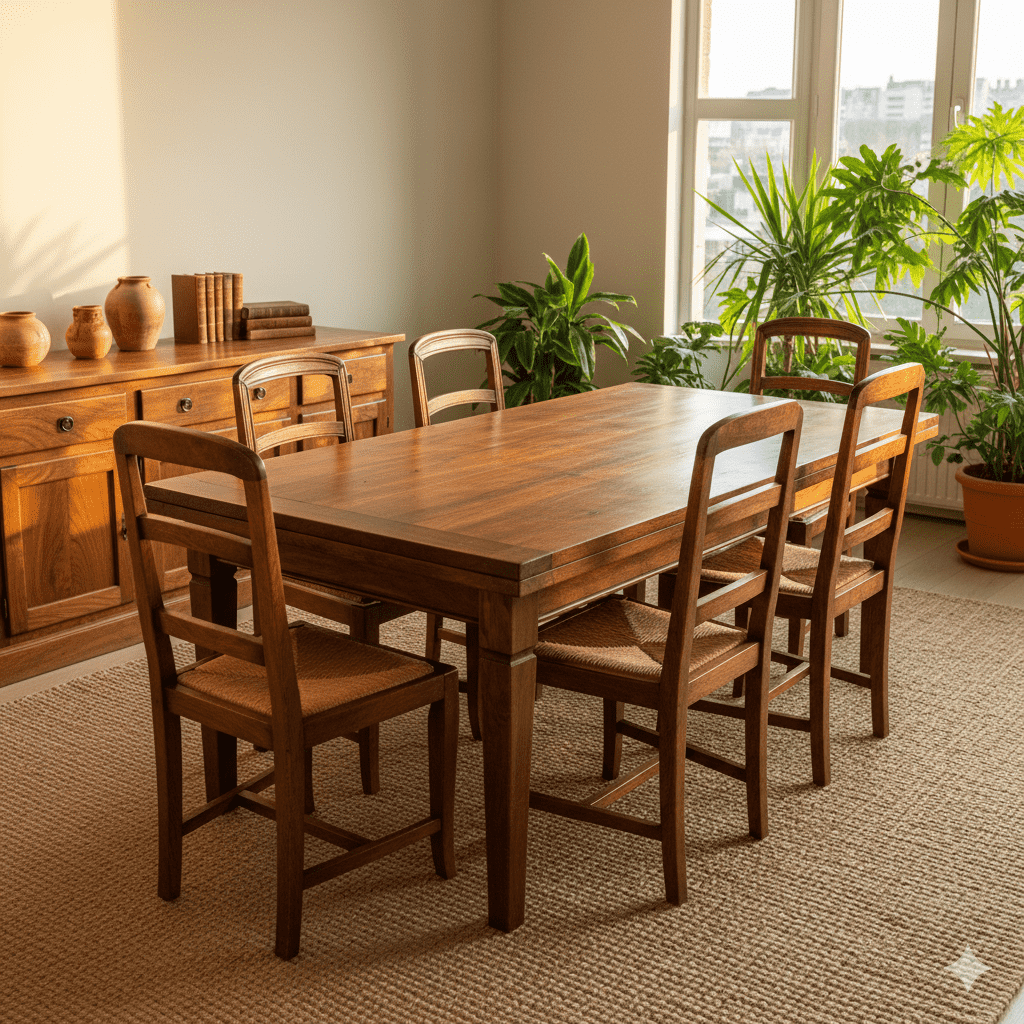
The Art of Loving Your Wood: A Gentle Approach to Natural Furniture Care
Caring for natural wood furniture is less about following rigid rules and more about developing a relationship with living materials. Unlike synthetic surfaces that demand harsh chemicals and aggressive cleaning, wood responds to gentle attention and understanding of its natural rhythms. Wood breathes, expands, and contracts with the seasons, much like we do. In winter’s
-
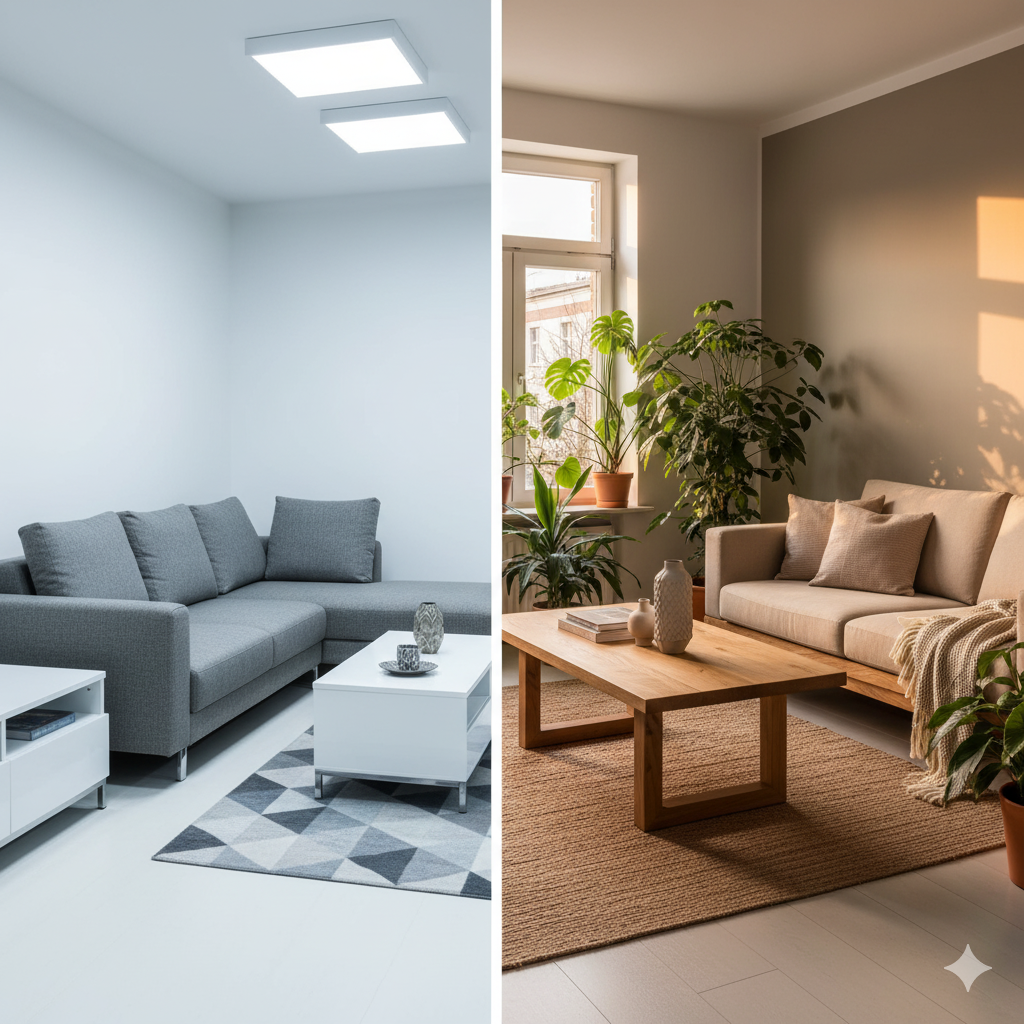
When Your Home Starts Speaking: Recognizing the Call for Sustainable Change
There’s a moment in every homeowner’s journey when something shifts. Maybe it’s the headache that greets you every morning in your bedroom, or the way that new bookshelf still smells chemical-sharp weeks after assembly. Your home is trying to tell you something, and learning to listen can transform not just your space, but your entire